

Creating space to be, become, do and belong.
Too often, survivors of modern slavery and human trafficking are left without the tools, routines, and relational support needed to rebuild daily life.
Emerge OT began with a simple but urgent question:
What happens after survival?
As occupational therapists, we recognized a gap between crisis response and long-term recovery. We knew this was where our profession could make a difference.
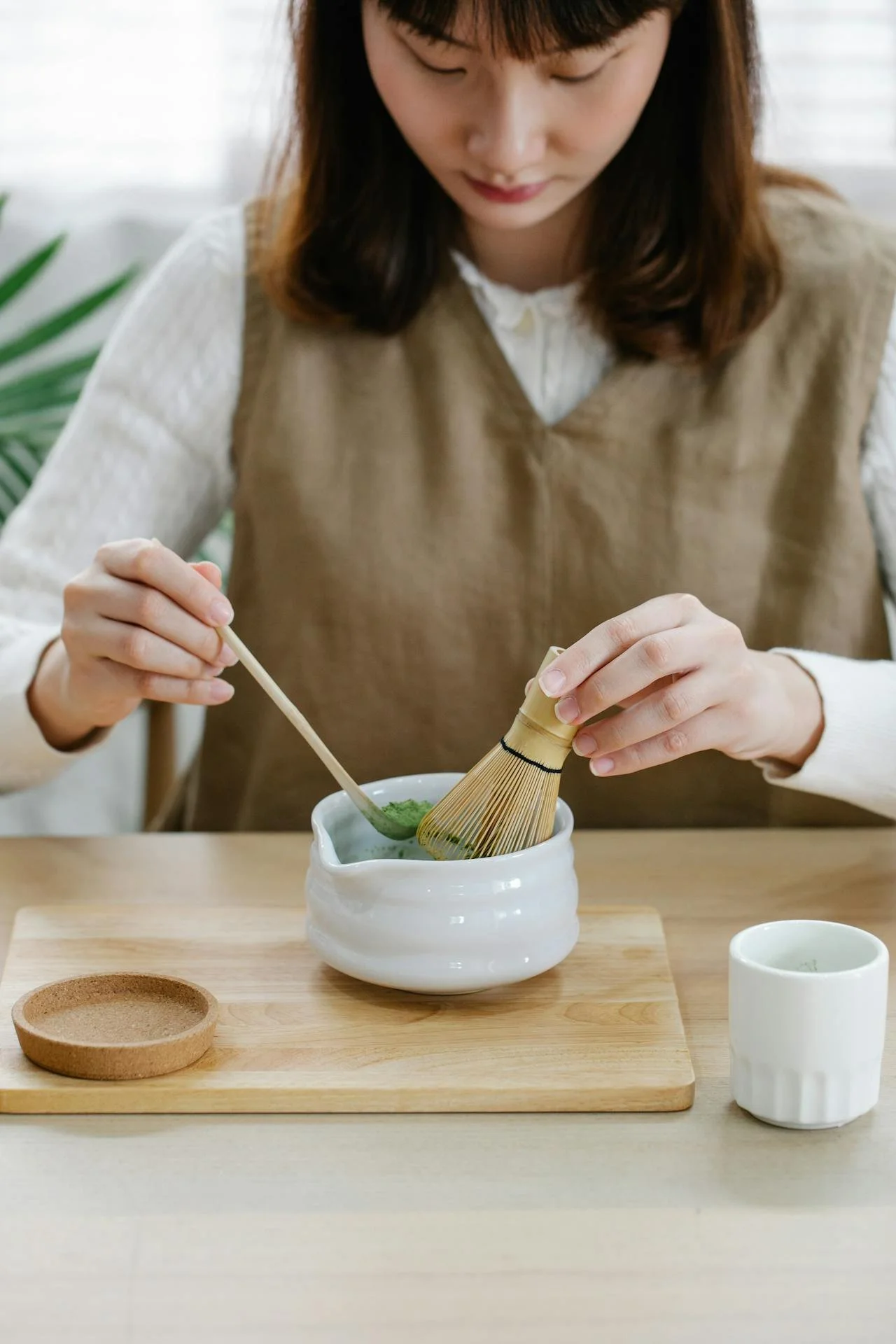
We’ve seen how small, everyday occupations such as making a meal, finding rest, accessing transport, and reconnecting with community, can become powerful steps in healing.
We believe that recovery happens in safe spaces where choice, dignity, and belonging are possible, one meaningful occupation at a time. We are here to create those spaces for survivors.

Our work is grounded in these principles
Dignity
First
Every person deserves to be seen beyond trauma.
Empowerment Over Pity
Recovery is about amplifying strengths.
Trauma-Informed Care
Introducing trauma-informed, occupation-focused care.
Collaboration
Healing happens in community, not isolation.

Our work isn’t focused on crisis, but on what comes next.Our mission
To support survivors of modern slavery as they emerge into lives of dignity, independence, and hope through trauma-informed occupational therapy that restores safety, identity, and meaningful daily living.
Our Vision
A world where recovery means thriving, not just surviving, where every person has the freedom, support, and opportunity to live life to the fullest.

Emerge OT practitioners are HCPC-registered occupational therapists, upholding the Royal College of Occupational Therapists’ Code of Ethics and Professional Conduct.
Our work is grounded in cultural humility, trauma-informed care, and occupational justice, ensuring that every interaction honours safety, respect, and the humanity of those we serve.
founders of emerge ot
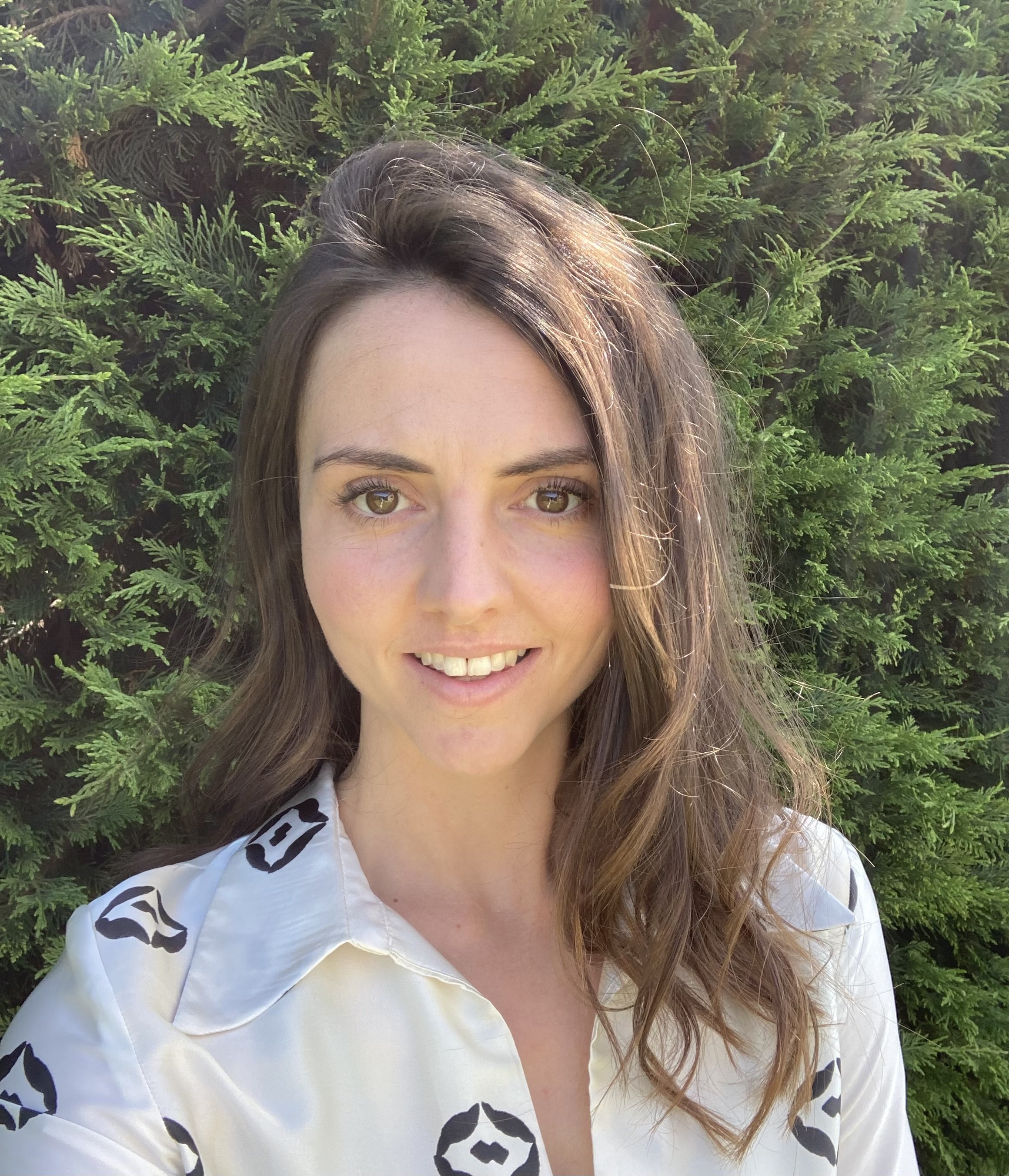
Kezia
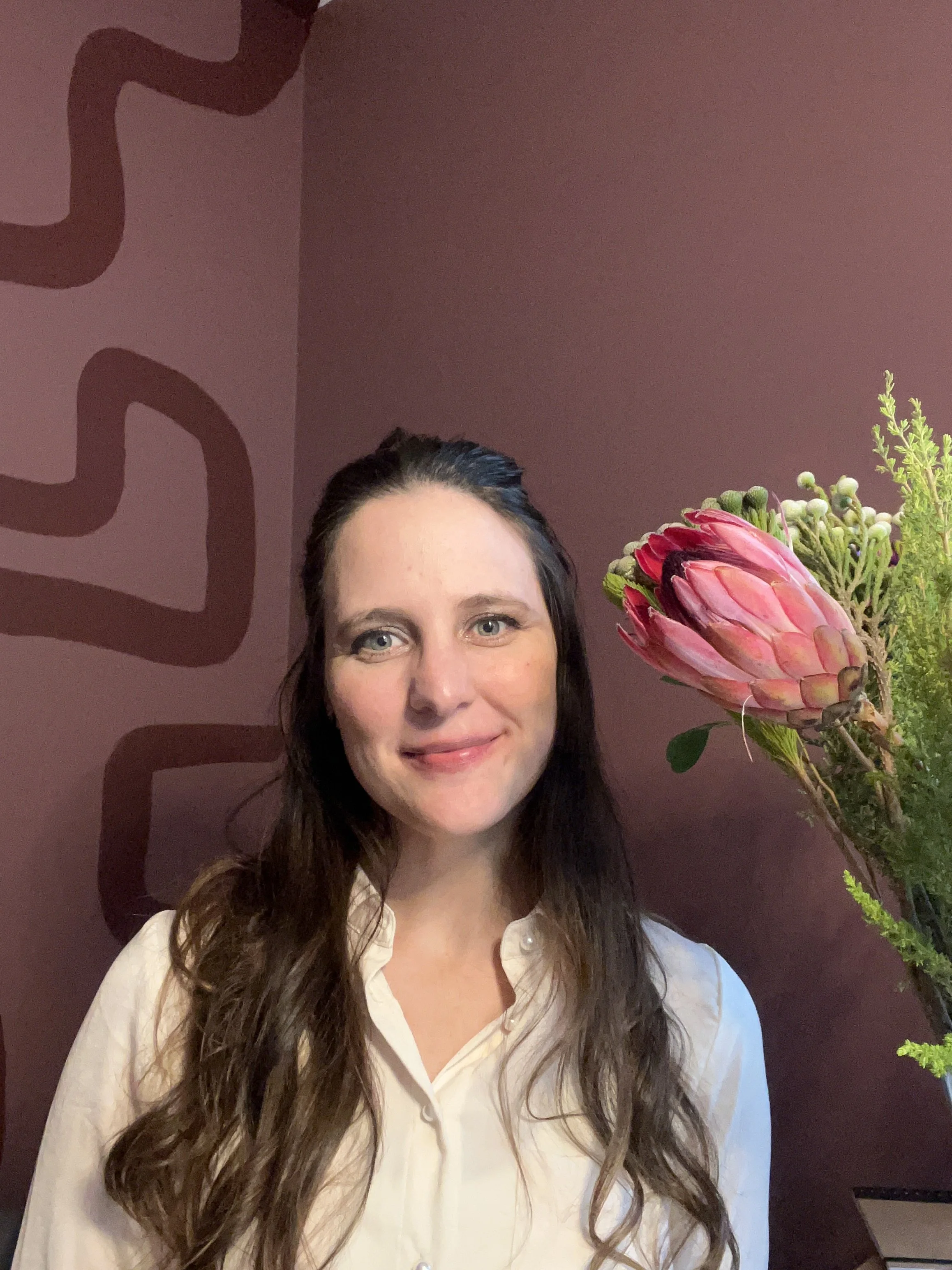
Suné
-
Kezia trained as an occupational therapist in the United Kingdom and is currently completing a European Master of Science in Occupational Therapy. Her work in UK safe homes has shown her the resilience of survivors and the power of simple, everyday occupations to restore identity and belonging.
-
Suné trained as an occupational therapist in South Africa and holds both a European Master of Science in Occupational Therapy and a Master’s in International Healthcare Management. She has worked with survivors in community initiatives across Germany and beyond, bringing a global perspective to recovery and care.
Together, our role is to create safe, steady spaces for recovery, and to advocate for occupational therapy’s vital role in this field.